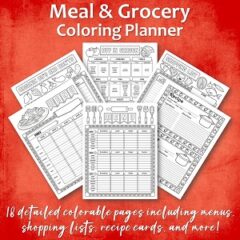
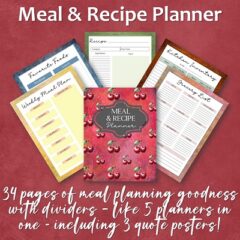
 A well-organized kitchen is essential for efficient meal preparation and cooking. By maximizing space, streamlining workflows, and keeping everything in its place, you can transform your kitchen into a functional and enjoyable workspace. Here are some kitchen organization tips to enhance efficiency and make cooking a breeze…
Declutter Your Space
Start by decluttering your kitchen. Go through your cabinets, drawers, and pantry to remove items you no longer use or need. Donate, recycle, or discard these items to free up space. This initial step creates a clean slate and makes it easier to organize the essentials.
Categorize and Group Similar Items
Group similar items together to create designated zones in your kitchen. For example, keep all baking supplies in one area, cooking utensils in another, and coffee-making essentials in a dedicated spot. This categorization helps you quickly find what you need and maintains order.
Maximize Cabinet Space
Optimize your cabinet space by using shelf risers, pull-out shelves, and lazy Susans. Shelf risers create additional layers, allowing you to stack items without wasting vertical space. Pull-out shelves make it easier to access items at the back of the cabinet, and lazy Susans keep spices and small jars organized and accessible.
Utilize Drawer Organizers
Drawer organizers are perfect for keeping utensils, gadgets, and small items tidy. Use adjustable dividers to customize your drawer space and prevent items from becoming jumbled. Consider using separate trays for cutlery, cooking utensils, and specialty tools to keep everything in its place.
Implement Vertical Storage
Vertical storage solutions can significantly enhance your kitchen’s efficiency. Install hooks or a pegboard on walls or the inside of cabinet doors to hang pots, pans, and utensils. Magnetic strips are excellent for storing knives and metal tools, keeping them within easy reach while saving counter space.
Organize the Pantry
A well-organized pantry simplifies meal preparation and reduces food waste. Use clear, airtight containers to store dry goods like flour, sugar, rice, and pasta. Label each container with its contents and expiration date for easy identification. Arrange items by category, such as baking supplies, canned goods, and snacks, to maintain order.
Optimize Counter Space
Keep your countertops clear to maximize your workspace. Store frequently used items like coffee makers, toasters, and blenders in easily accessible locations but off the main prep area. Use trays or baskets to corral small items and prevent them from spreading across the counter.
Create a Meal Prep Zone
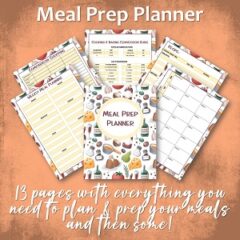
Designate a specific area in your kitchen for meal prep. This zone should include a spacious counter, cutting boards, knives, and frequently used ingredients and tools. Keeping everything you need in one area streamlines the cooking process and reduces time spent searching for items.
Store Pots and Pans Efficiently
Pots and pans can take up a lot of space if not stored properly. Use a pot rack to hang them overhead or on a wall, freeing up cabinet space. Alternatively, stack pots and pans with their lids in a deep drawer or cabinet, using a lid organizer to keep lids neat and accessible.
Label Everything
Labeling is a simple but effective way to maintain organization in your kitchen. Label shelves, containers, and bins to indicate their contents, making it easy for everyone in the household to find and put away items. This practice also helps you quickly identify ingredients and supplies during meal preparation.
Incorporate Pull-Out Trash and Recycling Bins
Pull-out trash and recycling bins keep waste containers out of sight but easily accessible. Install them in a lower cabinet near your prep area to streamline cleanup and maintain a tidy appearance. Separate bins for trash, recycling, and composting can also encourage more efficient waste management.
Regularly Assess and Adjust
Maintaining an organized kitchen requires regular assessment and adjustment. Periodically review your organization system to ensure it still meets your needs. Make changes as necessary to accommodate new items, cooking habits, or household members. Consistent maintenance prevents clutter from accumulating and keeps your kitchen efficient.
Use Clear Storage Solutions
Clear storage containers and bins make it easy to see what you have at a glance. This transparency reduces the time spent searching for ingredients and helps you keep track of inventory. Use clear bins in the pantry, fridge, and freezer to store and organize food items.
Set Up a Command Center
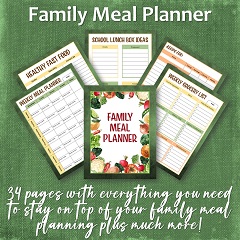
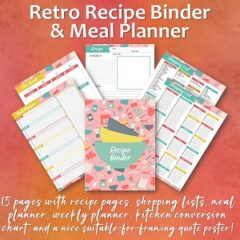
A kitchen command center can help you manage household tasks and schedules efficiently. Designate a small area for a bulletin board, calendar, and note pads. Use this space to keep track of grocery lists, meal plans, and important dates, ensuring that everyone in the household stays informed and organized.
By implementing these kitchen organization tips, you can create a more efficient and enjoyable cooking environment. An organized kitchen not only saves time and reduces stress but also enhances your overall cooking experience. With a little effort and regular maintenance, you can transform your kitchen into a well-organized space that supports all your culinary endeavors.